A Practical Guide to Managing Your Monthly Budget
Why Budgeting Gets a Bad Rap
Budgeting sounds like something your parents did with a ledger book and a lot of frustration. It conjures images of restriction, sacrifice, and sitting at the kitchen table arguing about who spent too much on groceries. No wonder most people avoid it.
But modern budgeting doesn't have to be any of those things. At its core, a budget is just a plan for your money. You tell your money where to go instead of wondering where it went. That's it. It's not about deprivation — it's about intentionality.
The best budget is one you'll actually follow. If a strict, detailed spreadsheet makes you miserable, it's not a good budget for you. The goal is to find a system that works with your personality and lifestyle, not against it.
The 50/30/20 Rule: A Good Starting Point
If you're new to budgeting, the 50/30/20 rule is the simplest framework to start with. Here's how it works: allocate roughly 50% of your after-tax income to needs (rent, utilities, groceries, insurance, minimum debt payments), 30% to wants (dining out, entertainment, hobbies, subscriptions), and 20% to savings and extra debt payments.
These aren't hard rules — they're guidelines. If you live in a high-cost city, your "needs" might take up 60% of your income, leaving less for wants. If you're early in your career with a low salary, you might need to adjust the ratios. The point is having a framework that helps you think about your spending in categories rather than as one giant, intimidating total.
Use the Salary Converter to understand your income in monthly terms if you're paid hourly or weekly. It's hard to budget when you don't know your exact monthly take-home pay.
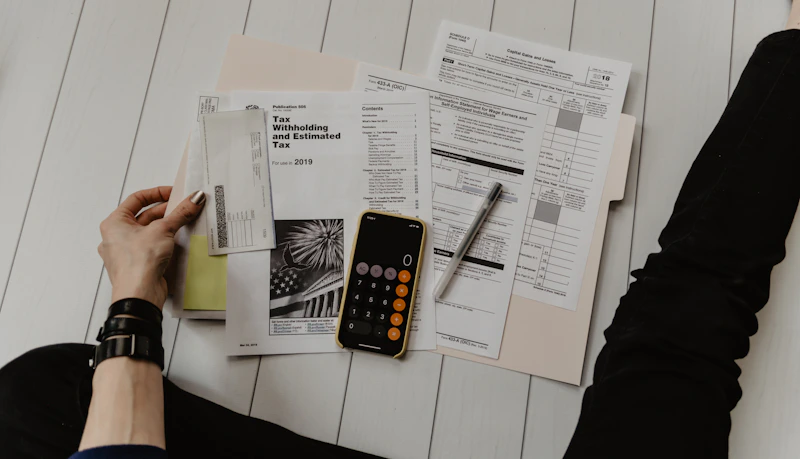
Step 1: Figure Out What You Actually Spend
Before you can make a budget, you need to know where your money is going now. Most people genuinely don't know. They have a rough idea ("I think I spend about $400 a month on food?"), but rough ideas are often wrong.
Track every expense for one month. Every single one. Coffee, parking meters, the $9.99 subscription you forgot about, the vending machine snack. Use a budgeting app, a spreadsheet, or even a notebook — whatever you'll actually stick with. At the end of the month, categorize everything and look at the totals. The results are usually eye-opening.
Common surprises include: subscription services people forgot they were paying for, restaurant spending that's way higher than expected, and "small" daily purchases (coffee, snacks, drinks) that add up to hundreds of dollars over a month.
Step 2: Build Your Budget Around Priorities
A good budget reflects your priorities. If travel is important to you, build that into the plan. If eating out with friends is how you stay sane, budget for it. The goal isn't to eliminate everything fun — it's to make sure your money is going toward things that actually matter to you.
Start with your fixed expenses (rent, utilities, insurance, debt minimums) because these are non-negotiable. Then allocate savings and financial goals. What's left is your discretionary spending — split this between things you value and things you can cut if needed.
Use the Loan Calculator to understand how extra payments on your debts could save you in interest. Sometimes redirecting $100/month from discretionary spending to debt repayment can save thousands over the life of a loan.
Step 3: Build in a Buffer
The most common budgeting mistake is creating a plan so tight that any unexpected expense breaks it. Car needs new brakes? Budget ruined. Friend's wedding? Budget ruined. Medical bill? Budget ruined.
Build a buffer of $100-300 into your monthly plan, labeled "miscellaneous" or "buffer." It's not for planned expenses — it's for the stuff you didn't see coming. Some months you won't use it, and it carries over. Other months, it saves you from dipping into savings or using a credit card.

Step 4: Review and Adjust Regularly
A budget isn't a set-it-and-forget-it thing. Life changes, and your budget should change with it. Review your spending at the end of each month and compare it to your plan. Where did you overspend? Where did you come in under? Was your plan realistic?
Adjust categories as needed. If you consistently overspend on groceries, either plan for a higher grocery budget or find ways to spend less (meal planning, switching stores, buying in bulk). If you consistently underspend in one area, consider redirecting that money toward savings or debt repayment.
Emergency Fund First
Before aggressively paying off debt or investing, build an emergency fund of at least $1,000 (ideally 3-6 months of expenses). Without it, any unexpected expense forces you into debt, which undoes all your other financial progress. The Savings Goal Calculator can help you figure out how quickly you can build this fund based on what you can set aside each month.
Keep this money in a separate savings account — not your checking account where it'll blend in with everything else, and not an investment account where it might lose value when you need it most.
Tools and Systems
Find a tracking method that works for you. Spreadsheets are powerful but tedious for some people. Apps like YNAB, Mint (before its shutdown), or EveryDollar automate a lot of the work. Some people prefer the cash envelope system, where they put physical cash in labeled envelopes for each spending category. When the envelope is empty, they stop spending in that category. It's old-school but effective.
The best budgeting tool is the one you'll actually use consistently. Try a few approaches and stick with whatever feels least painful. Budgeting should reduce your financial stress, not add to it.